introducing evaluation
evaluation
integral to design process
collect and analyze data when interacting with a design artifact
goal: improve artifacts design
usability and user experience
design assumptions
designing for self or colleagues
assumptions about what users will use
evaluation enables checking that a design is correct and get at the root cause
root cause
why evaluate?
users expect more than just a usable system
pleasing and engaging experiences
well-designed products sell
make informed design decisions rather than debating
what to evaluate?
ranges for low-fidelity prototypes to complete systems
depends on the stage of design and the context of use
different types of evaluation are needed
main criteria: what the user needs or wants
where to evaluate?
depends on what is being evaluated
controlled lab studies vs in-the-wild studies
remote studies
when to evaluate?
depends on the type of product and the development process
new concept or upgrade on existing one
formative vs summative evaluations
rapid iterations
types of evaluation
controlled settings with users
control what users do, when they do it, and for how long
reduce outside influence and distractions
evaluate software applications with seated participants
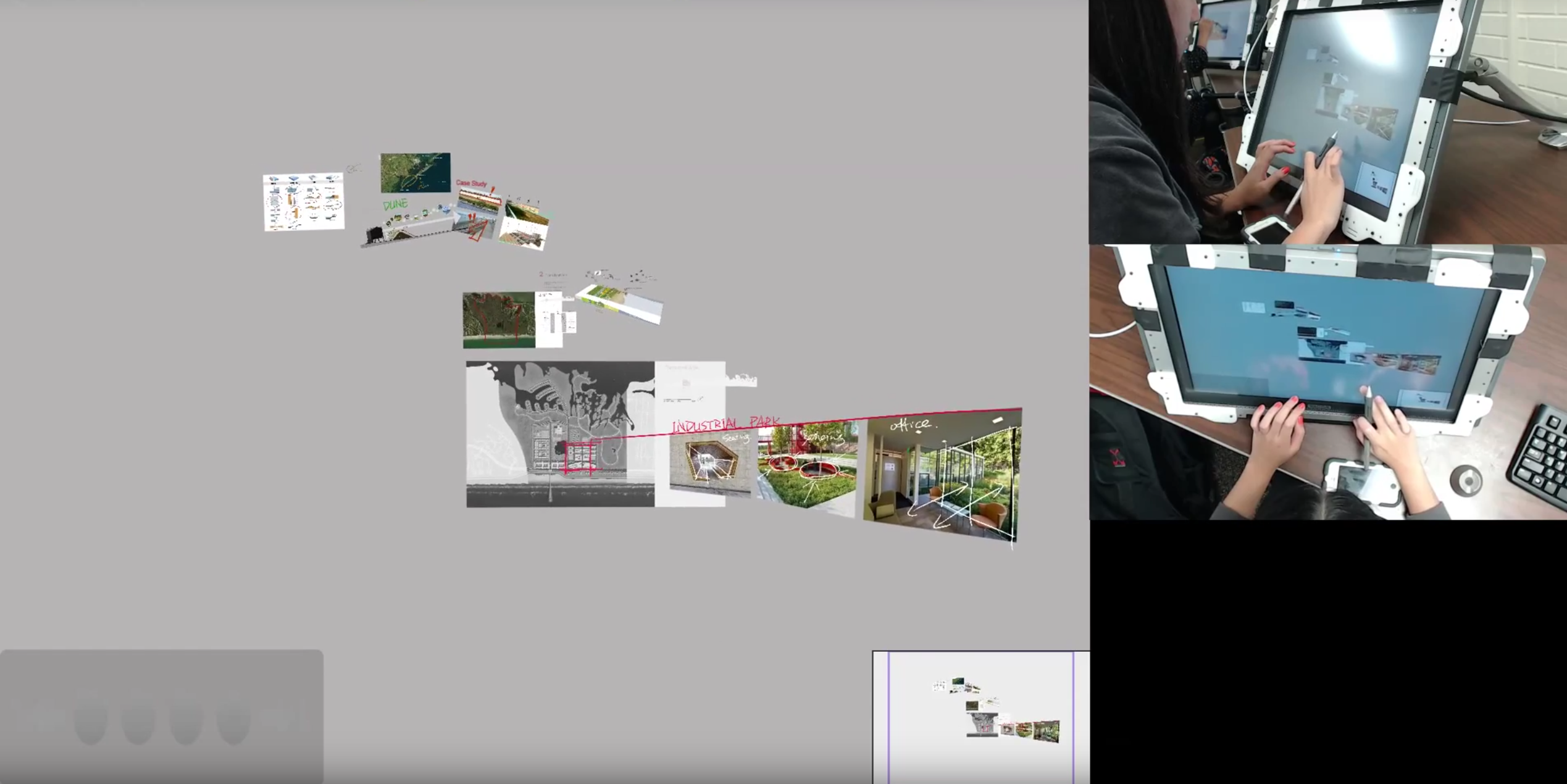
usability testing
fundamental HCI process
evaluating user interfaces in controlled setting
primary goal: determine whether an interface is usable by intended users
recordings of interactions
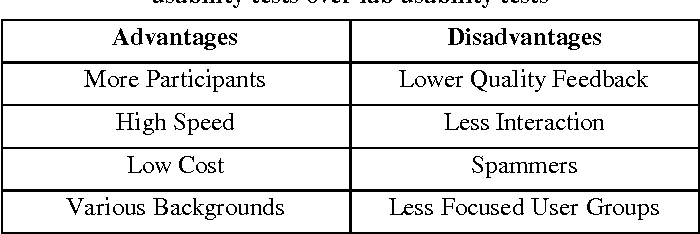
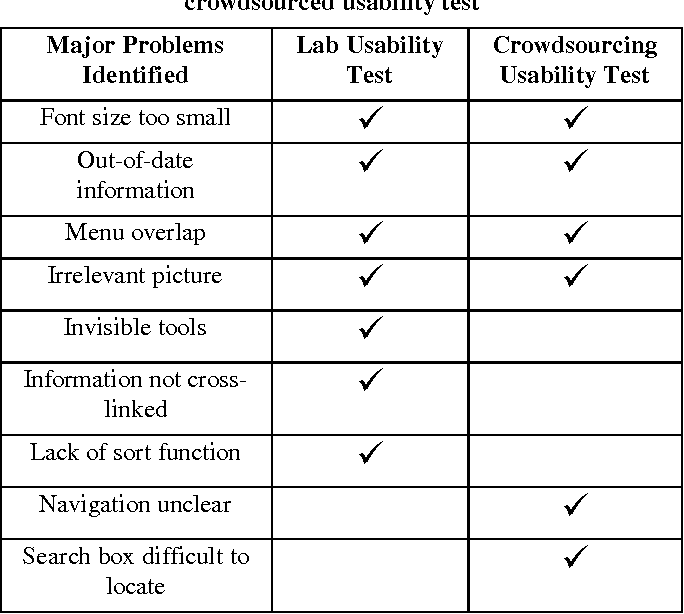
crowdsourcing
hundreds, thousands, or millions
evaluate a product or participate in study
short, simple tasks
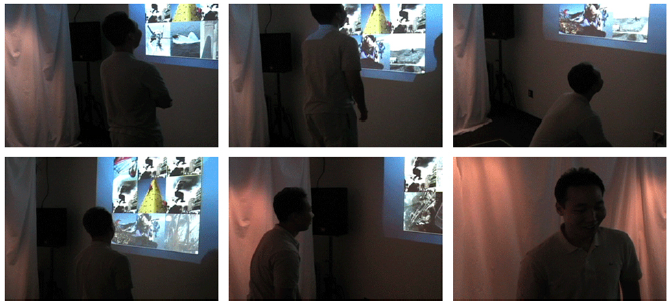
living labs
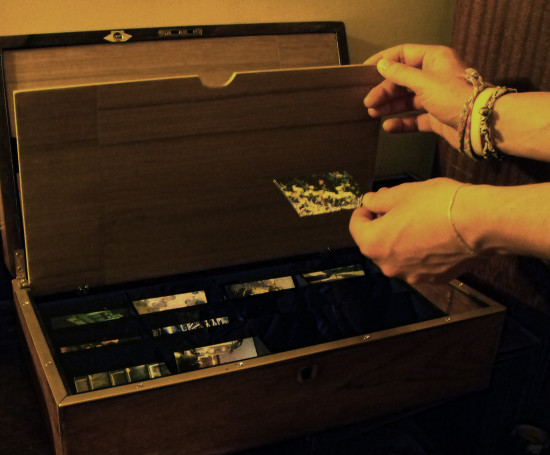
evaluate people's everyday lives
more controllable than in the wild
smart homes
natural settings with users
field studies
help identify opportunity for new technology
establish the requirements for a new design
facilitate the introduction of technology
inform deployment of existing technology in new contexts
field studies: methods
methods: observation, interviews, and interaction logging
data: events and conversations
goal: be unobtrusive, avoid influence on behaviors
influence may be inevitable
in the wild
look at how new technology or prototypes deployed and used
give up control of what is being evaluated
slow technology
analytics
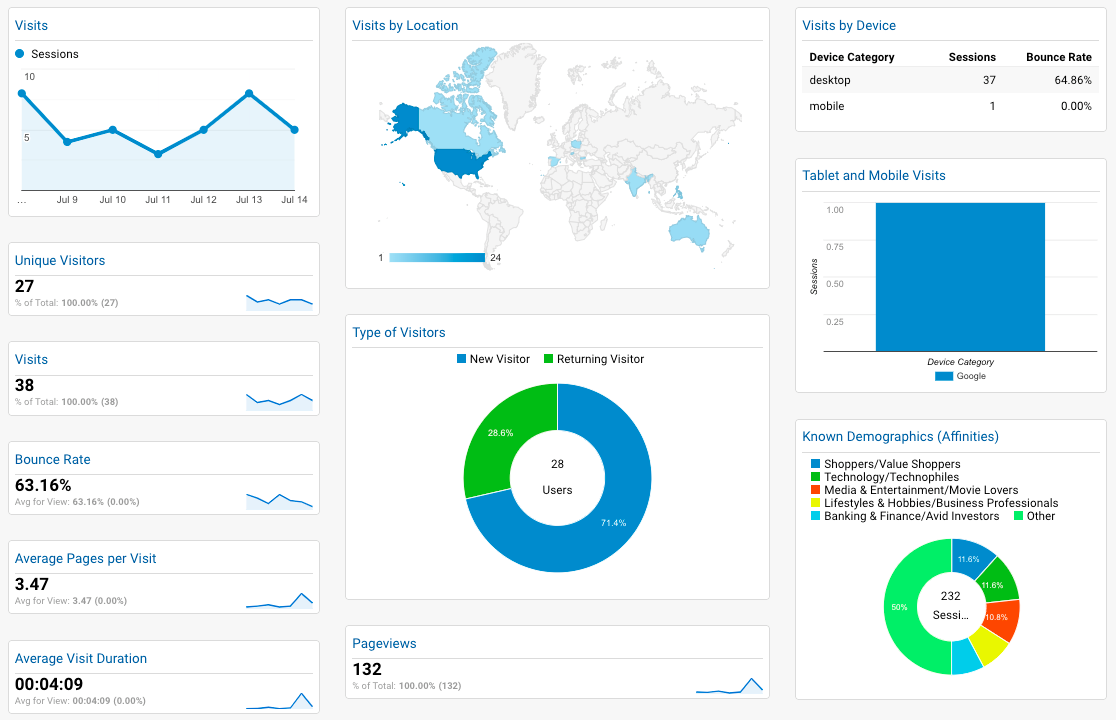
logging and analyzing interaction data
web analytics
google analytics
opportunistic evaluations
contrast detailed and planned studies
typically early in design process
informal
minimal resources
combining methods
obtain richer understanding
usability testing combined with observations in the wild
different pros and cons
choice of methods
is the method reliable?
consistency
reproducible / replication
high: controlled experiments
variable: observations
validity
measures what is intended
depends on goals of study
ecological validity
how environment influences results
controlled experiments
participant awareness of being studied
bias
results are distorted
observational data
interviews
scope
how generalizable are the findings
narrow vs wide
overstating results
questions?
reading for next class
Chapter 9: Data Analysis, Interpretation, and Presentation
Interaction Design: Beyond Human-Computer Interaction